Hey there, if you’ve ever stared at a scuffed, faded, or just plain boring sofa, chair, or ottoman and thought “this could look way better if it had a new color,” you’re not alone. As someone who runs a general upholstery shop, I get asked all the time how we go about changing the color of the fabrics that cover these pieces—like, it’s not just dumping dye on cloth and calling it a day, right? There’s actual work, science, and know-how that goes into it. Let me walk you through the whole process, from start to finish, no fancy jargon (promise). General Upholstery

First off, before we even touch a dye bucket, we gotta do a pre-inspection. That’s step one, and it’s non-negotiable. I’ve had customers show up with a chair that’s been sitting in a basement for 20 years, and by the time I’m done checking it, I can tell if it’s even possible to dye. First, I feel the fabric—what’s it made of? Cotton? Polyester? Linen? A blend? That’s huge because dye doesn’t stick the same to every fiber. Cotton is easy, polyester is tricky, and blends? Well, that’s a whole other story. Then I look for damage: rips, stains, frayed edges, discoloration that’s been there forever. If there’s a set-in coffee stain that’s been there for 10 years, even if you dye over it, it’ll still show through. We can’t fix that, so I have to tell the customer straight up. Also, I check if the fabric has already been dyed before—like, some furniture from the 70s has that super thick, heavy dye that won’t take new color. Oh, and I test for pre-treatment left over, like old fabric softener or industrial cleaners, because those can act like a barrier and make the dye not stick.
Next up is prepping the fabric, and this is where most mistakes happen if you skip it. I can’t tell you how many times I’ve seen someone try to dye a couch at home without prepping it first, and they end up with splotchy color. First, we strip whatever is already on the fabric. If it’s a brand-new piece that’s never been used, maybe it just has a sizing agent (that’s like a thin coating manufacturers put on fabric to keep it nice while it’s being sewn). We use a hot, mild detergent solution to wash that out. If it’s an old, used piece, we have to strip any old dye or heavy stains. For that, we use a fabric stripper—something that breaks down the existing dye without eating through the fabric. We have to be careful here, though: some fabrics, like silk, are super delicate, so we can’t use a harsh stripper. Once we strip it, we wash it again to get all that stripper out—no leftover chemicals messing with the new dye. Then we let it dry completely. I know, sounds basic, but if there’s even a tiny bit of moisture, the dye won’t distribute evenly. I usually hang it to dry in a well-ventilated area, no heaters because that can shrink the fabric.
Now, the fun part: choosing the dye. Wait, it’s not just picking a color you like—we have to match the dye to the fiber. That’s why knowing what the fabric is made of back in step one is so important. For natural fibers—cotton, linen, wool—we use fiber-reactive dye. That dye actually bonds with the fiber molecules, so it doesn’t wash out easily. For synthetic fibers like polyester, we use disperse dye, which works differently because it sinks into the synthetic fibers. If you use the wrong dye, you’re wasting time and money—like, I once had a customer bring in a polyester chair and try to use cotton dye, and it just turned a faded, weird gray instead of the blue they wanted. We also have to consider the shade: if you’re going from a super dark brown to a light beige, that’s almost impossible, right? Dye can only make the color darker, not lighter, so we have to be realistic. We do a test swatch on a tiny, hidden part of the fabric first—like under a chair leg or on the back of a sofa where no one will see it. We apply the dye, let it set, wash it out, and check if the color is even and what we want. If it’s too bright or too dull, we adjust the dye mix—maybe add a little more of this color, a little less of that.
Once the dye mix is ready, we start the actual dyeing process, and this is where the equipment matters. At my shop, we use large, industrial-grade dye pots—way bigger than the ones you use to dye clothes at home. We can also do this with a spray method for really big pieces, but most of the time, soaking is better for even color. First, we heat up the dye bath to a specific temperature—for fiber-reactive dye, it’s usually around 140 to 160 degrees Fahrenheit, and for disperse dye on polyester, it’s hotter, like 180 to 200 degrees, because that helps the dye sink into the synthetic fibers. We add a fixative here too—like salt for natural fibers, which helps the dye stick to the fiber, or a carrier for synthetic fibers that makes the disperse dye work better. Then we lower the fabric into the dye bath, and we have to agitate it constantly. No sitting there and letting it soak—if it’s not moving, the parts at the bottom get darker, and the parts at the top are lighter. I assign one of my guys to stir non-stop for like 30 minutes to an hour, depending on how dark we want the color. We take it out every few minutes to check the color, dab a little on a white cloth, and see if it’s what we want. No surprises here—better to check early than to end up with a sofa that’s the wrong shade.
After the dye is the curing step. This is another thing people skip at home, and that’s why their dyed clothes fade after one wash. Curing makes the dye bonds permanent. What does that look like? For most fabrics, we either let them sit in a warm, humid space for a few hours, or we use a hot water rinse with a little more fixative. For some synthetics, we even put the fabric in a steam chamber—steam helps the dye lock in to every tiny part of the fiber. I can’t stress this enough: if you don’t cure it right, the color will bleed the second someone spills a glass of water on it, and you’ll have a mess.
Then comes the rinsing and finishing. We have to get every last bit of loose dye out of the fabric. We start with cold water, then warm, then hot, until the water runs completely clear—no more dye coming off. If we stop too early, the dye will bleed onto clothes or other furniture when the customer takes it home. Once the rinsing is done, we wash it with a mild, color-safe detergent to remove any remaining fixative or leftover dye particles. Then we dry it—again, no high heat, because that can shrink the fabric, especially if it’s a natural-synthetic blend. We hang it to dry, or use a low-heat dryer if it’s safe. Once it’s dry, we give it a final check for splotches, uneven color, or any leftover spots. If something’s off, we touch it up with a little extra dye—tiny spot fixes, no big deal. Then we also do a final fabric treatment if needed, like a stain-resistant coating, just to make the new color last longer.
Wait, I should mention a few common hiccups that happen. Like, sometimes even after all the prepping, a fabric will take the dye unevenly. That’s usually because of wear—like, a chair seat that everyone sits on is thinner or has more oil from people’s skin, so the dye sticks differently there. We can usually fix that with a gentle touch-up, but we have to warn customers that some parts might be slightly different because of how the fabric was used over the years. Another thing: some fabrics are too delicate to dye. I once had a customer bring in a 100% silk sofa, and even though we used the right silk dye, the fabric started to fade and get brittle during the process. We had to tell them it wasn’t worth it—better to reupholster with new fabric than to ruin a vintage piece.
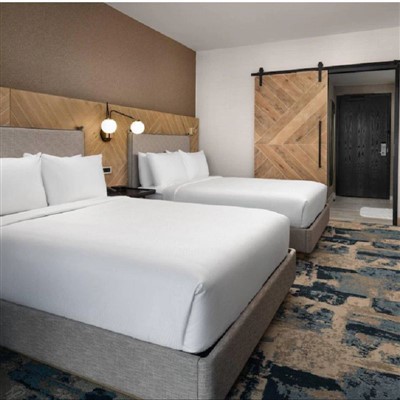
At the end of the day, dyeing upholstery fabric isn’t just a service—it’s a way to give old furniture a second life. Instead of throwing away a perfectly good sofa because the color is outdated or stained, we can make it look like new. If you’ve got a piece at home that you love but the fabric’s not working for you, hit us up. We’ll do a free inspection, test a swatch, and give you a fair quote to get that color exactly how you want it.
Hotel Loose Furniture References:
- Upholstery Fabric Dyeing: A Practical Guide. The upholstery Association of North America.
- Textile Dyeing Science for Domestic and Commercial Use. Textile Institute, 2021.
- Sustainable Upholstery Maintenance and Restoration. Green Textile Solutions, 2022.
Jiamei Wood Co., Ltd.
As one of the most professional general upholstery manufacturers and suppliers in China, we also support customized service. Please feel free to wholesale cheap general upholstery for sale here from our factory. For price consultation, contact us.
Address: Room 1802, No. 2nd, Kexing Road, Baiyun District, Guangzhou, Guangdong Province, China
E-mail: sq@jiameiwood.com
WebSite: https://www.jiameiwood.com/
