What’s up, if you’re in metal stamping, auto parts, sheet metal fabrication, or any industry that relies on cutting flat stock into precise blanks, you’ve probably seen how much blanking machines have changed over the past few years. I’m on the ground every day working with shops across the U.S. as a blanking machine supplier, so I get firsthand what shops are actually asking for—not just the flashy tech that gets hyped at trade shows, but stuff that fixes real headaches: downtime, material waste, inconsistent cuts, and trying to keep up with tight lead times. Let’s break down the latest advancements that actually move the needle here, no corporate jargon, just what’s working right now. Blanking Machine
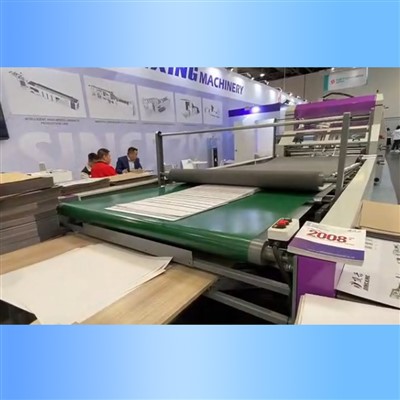
First off, people used to treat blanking machines like “set it and forget it” tools, right? You’d program a cut size, load a sheet, and hope the metal didn’t shift mid-run or the punch dulled before the batch ended. Now? Smart machine integration is the biggest shift I’ve seen in the last 18 months. We’ve been rolling out machines with real-time load monitoring built into the control panel, not just a basic alarm that goes off if something’s broken. This tech doesn’t just tell you when a punch is worn—it tracks the force of every single cut, cross-references it with the material grade (think cold-rolled steel, aluminum, even thin copper for electronics) and thickness, and flags wear before it causes a bad blank or a broken tool. Last month, a customer in Chicago was running 16-gauge steel blanks for HVAC ducts; his old machine would blow 2-3 bad parts per batch because of hidden punch wear, and he’d only catch it after the whole run. Our latest machine caught a slightly weak punch on cut 127, swapped it mid-run with his operator, and he cut bad parts by 98% that week. That’s not a gimmick—that’s saving him thousands in scrap.
Then there’s adaptive blanking, which I know sounds like one of those buzzwords, but it’s not. Traditional blanking relies on fixed gap between the punch and die, which works… until your material has tiny inconsistencies— like a slight warp from shipping, or a mill edge that’s not perfectly straight. Old machines would push right through that, leading to jagged edges or burrs that require extra deburring steps. Adaptive blanking adjusts the gap on the fly, even within a single sheet, using high-res cameras that snap shots of the material surface right before the punch descends. I watched a shop in Detroit test this last quarter: they were running aluminum blanks for automotive door panels, which need super smooth edges to avoid rattles later. Before, they had to add a separate deburring station that cost 15% of their operating budget. With adaptive blanking, the edges came out clean enough they skipped that step entirely. No extra labor, no extra machine, just less cost and faster throughput. That’s the kind of win every shop is chasing.
Don’t sleep on material handling upgrades either—people always focus on the cutting part, but loading and unloading blanks is where half the downtime happens. For years, you had two options: manual loading, which is slow and risky for operators, or big, clunky automated feeders that only work for one size of material. Now we’re seeing collaborative robot (cobot) integration that’s tiny enough to fit in most shop floors without rearranging the whole layout, and versatile enough to handle different sheet sizes just by swapping a gripper (takes 2 minutes, no tools). A customer in Dallas who runs small batch runs for custom metal signs told me before, he’d spend 2 hours a day loading sheets because his old feeder couldn’t switch between 2×2 and 4×4 sheets without a full reset. Now the cobot switches between them in 60 seconds, and his operator can focus on quality checks instead of hauling heavy metal. Also, the new unloading systems have edge sorting built in—they don’t just stack blanks, they pull the ones with slight burrs right into a separate bin for rework, so you don’t waste time sifting through stacks at the end of a run. That’s a huge labor saver for small shops that can’t afford extra quality control staff.
Wait, let’s talk about energy efficiency too, because that’s not just a “green” thing anymore—electric bills for shop equipment are through the roof, right? A lot of older blanking machines used hydraulic systems that ran nonstop, even when they weren’t cutting, just maintaining pressure. The new ones are all-electric servo-driven systems that only use power when the punch is moving. I had a customer in Atlanta who switched last year, and his electric bill for the blanking machine dropped 40%. He even told me he could use that extra money to hire a part-time quality checker instead of worrying about utility hikes. It’s not just about sustainability—it’s a bottom line play, which is why so many shops are pulling the trigger on these upgrades now.
Of course, no tech is perfect, and a lot of shops are still nervous about jumping into new stuff. I get it—blanking machines are a big investment, and if something goes wrong with a fancy new control panel, you’re down for days. That’s why the latest advancements also come with way better support and modular upgrades. You don’t have to buy a whole new machine to get the smart features; we can retrofitt real-time load monitoring and cobot loaders onto most machines from the last 10 years, which cuts the cost in half. We also offer 24/7 remote access to the machine’s control, so if a operator gets stuck, we can log in, walk them through a fix, or even adjust a parameter without having a tech drive out—saves 80% on service calls. Last month, a shop in Miami had a control panel glitch on a Saturday; instead of waiting until Monday for a tech, we fixed it remotely in 10 minutes, no downtime. That’s the kind of support that matters, not just the tech itself.
Let me be real here: I’ve seen a lot of tech that sounds great but doesn’t solve real problems. The advancements I’m talking about now aren’t just about “smarter controls” or “faster cuts”—they’re about the stuff that keeps shops running: less scrap, less downtime, lower labor costs, and being able to take on smaller, faster jobs without breaking the bank. A lot of my customers were hesitant a couple years ago, but now they’re coming back asking to upgrade because they see their competitors already doing it and winning bids on jobs they couldn’t before.

If you’re running a blanking operation and feeling stuck with old machines, or you’re looking to upgrade to handle tighter lead times and higher quality standards, let’s chat. I can walk you through what works for your specific shop—whether you’re running small batches, high-volume auto parts, or custom metal work. No sales pitch, no pressure, just figuring out what fits your needs.
Cardboard Laminating Machine References:
- Metal Stamping Manufacturers Association (MSMA) 2024 Technology Trends Report
- International Journal of Machine Tools and Manufacture, Volume 201, 2024: Adaptive Blanking for Thin Sheet Materials
- Collaborative Robots in Industrial Automation: 2023 Market Analysis, Robotic Industries Association (RIA)
- U.S. Energy Information Administration: Commercial Industrial Equipment Efficiency Report, 2024
Sheng Ding Group Limited
We’re well-known as one of the leading blanking machine manufacturers and suppliers in China. With abundant experience, we warmly welcome you to buy advanced blanking machine for sale here from our factory. For quotation, contact us now.
Address: FLAT E 16/F SUPERLUCK IND CTR 57 SHA TSUI RD PHASE 2 TSUEN WAN NT
E-mail: chm007@szchm.com
WebSite: https://www.packagmachine.com/
