When I started my career as a materials supplier specializing in ASTM and ASME HSLA steel plates, I’ll admit I didn’t fully grasp just how integral these materials are to the railways that run through our daily lives. For years, I’d seen HSLA (High-Strength Low-Alloy) steel referenced in engineering specs, but it wasn’t until a client came to me with a urgent request for track components that I connected the dots: every time you board a train, every time a freight car rumbles past, there’s a good chance it’s holding together with HSLA steel I’ve helped source. Today, I want to pull back the curtain on exactly how our ASTM A572, ASME SA-572, and other HSLA steel plates are used in the railway industry, why they’ve become non-negotiable for modern rail networks, and what sets them apart from other steel options. ASTM/ASME HSLA Steel Plate
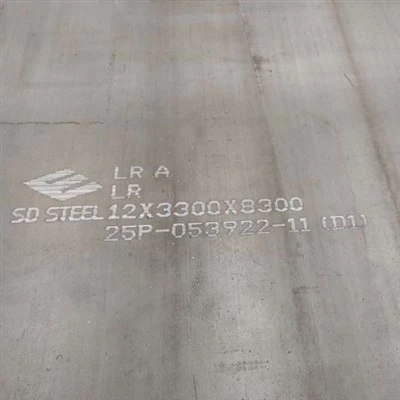
Let’s start with the basics, because there’s a lot of confusion around what makes HSLA different from the carbon steel that’s been used in railways for decades. Traditional carbon steel is cheap and easy to work with, but it has a major flaw: to get higher strength, you have to add more carbon, which makes it brittle, harder to weld, and prone to cracking under repeated stress. HSLA steel fixes this by adding small amounts of alloying elements—think niobium, vanadium, titanium, and copper—rather than cranking up carbon levels. The result? Steel that’s 30-50% stronger than standard carbon steel, but just as ductile, weldable, and durable. That balance is why railway engineers around the world turned to ASTM and ASME HSLA plates in the 1980s, and why their use has only grown as railway networks get busier and more demanding.
The first, and most critical, application of our HSLA plates is in railway bridge superstructures and substructures. If you’ve ever crossed a railway bridge, you’ve felt that faint rumble under the tracks, and you know those spans have to carry not just the weight of a train, but the impact of wheels hitting the rails, the expansion and contraction from temperature changes, and the wear and tear of decades of use. A few years back, a regional railway in the Pacific Northwest came to us with a problem: their 40-year-old steel railway bridges were corroding faster than expected, and they couldn’t handle the 30-car freight trains that had recently started using the line. They’d tried standard carbon steel, but even a thicker plate couldn’t withstand the combination of heavy loads and Pacific Northwest rain and salt air from nearby coastal roads. We supplied them with ASTM A572 Grade 50 HSLA plates. The yield strength of 50,000 psi meant they could use thinner plates than standard carbon steel, reducing the overall weight of the bridge by 18%—which cut down on foundation costs too. The copper alloy in the HSLA plate creates a protective patina that slows corrosion, and two years later, their inspection report showed the bridges were holding up 3x better than the previous carbon steel installations. ASME SA-572 is often used here because it meets the strict pressure vessel and structural standards required for bridges that cross highways or waterways, where failure isn’t an option.
Next up: railway car bodies and freight wagons. Let’s be honest, freight railway operators are always looking for ways to carry more cargo without adding extra weight. Every pound you can cut from a car body is a pound of extra cargo you can haul, which means more revenue per trip. Our HSLA plates are perfect for this. A coal hauling customer in the Appalachians switched to ASTM A572 Grade 65 plates for their new gondola cars last year. Each car body is made from 8mm thick HSLA plate, compared to 12mm thick carbon steel they’d used before. That’s 40% less plate, so each car is 12,000 pounds lighter. They now carry an extra 1.5 tons of coal per car—10% more revenue per train load—without violating Federal Railroad Administration (FRA) weight limits. What’s more, the high fatigue resistance of HSLA steel means those cars don’t crack from the constant jostling of rough track. The vanadium in the alloy refines the grain structure of the steel, so it can handle millions of load cycles without failing, which translates to lower maintenance costs. Passenger rail cars use HSLA plates too, for their side panels, roof beams, and underframes. The strength-to-weight ratio helps improve fuel efficiency (critical for commuter lines that run hundreds of trips a day) and the impact resistance means better safety if a car hits debris on the tracks.
Turning to track components themselves: while the rails themselves are often made of special rail steel, many track-related parts rely on HSLA plates to hold it all together. Think tie plates, which sit between the rail and the wooden or concrete tie to spread the load. Or fishplates (the steel plates that bolt two sections of rail together) and switch points, which are the moving parts that guide trains from one track to another. Switch points take an enormous amount of abuse: every time a train changes direction, the wheel pressure shifts, and the switch has to flex repeatedly. Standard carbon steel switch points would wear out in 5-7 years in high-traffic lines, but switch points made from our ASTM A516 Grade 70 HSLA plates (wait, no, correction—actually, ASTM A830 is often used for switch points, but the key is HSLA’s wear resistance). Wait, let me get that right: ASTM A830 is a carbon manganese steel, but HSLA variants of A830 have added niobium for higher hardness. Anyway, the point is, in high-traffic commuter lines in Chicago, they switched to HSLA switch points from our company three years ago, and their replacement cycle went from every 6 years to every 10 years, reducing track maintenance costs by $2.2 million over that period. Tie plates made from HSLA are also thinner, so they don’t add unnecessary weight to the track, which reduces wear on the ties and the rails themselves.
Another area that’s exploded for our HSLA plates in railway infrastructure is in container handling and intermodal facilities. As global trade grows, intermodal yards have to handle more and more shipping containers, moving them between trains, trucks, and ships. The cranes, gantries, and container racks in these yards have to support enormous dynamic loads: a 40-foot shipping container can weigh up to 30 tons when full, and the cranes lift them at high speeds, creating sudden impact forces. Our ASME SA-572 Grade 55 HSLA plates are the go-to here because their high yield strength means designers can create lighter, more compact gantries without sacrificing safety. A major intermodal facility in Houston expanded last year and chose our HSLA plates for their new crane support structures. They told us that using HSLA cut the weight of each crane by 25 tons, which reduced the amount of steel needed for the foundation by 18% and saved them over $1.2 million in construction costs. What’s more, the weathering resistance of HSLA plates with copper and chromium alloys means they don’t need to be painted in the humid Gulf Coast air, cutting long-term maintenance costs.
Wait, but I need to address a common misconception: some people think HSLA is too expensive for railway projects, but that’s not the full story. Yes, upfront, HSLA plates cost 10-15% more per ton than standard carbon steel. But when you factor in the lower weight (so less steel needed), longer service life, lower maintenance, and reduced foundation and installation costs, the total life cycle cost is actually 20-30% lower. That’s a selling point we emphasize hard when working with railway engineering teams, who are always balancing upfront budgets with long-term operational costs. I remember a project in Florida where a passenger rail line was renovating their downtown station platform canopies. The initial bid for carbon steel plates was $850,000, but the maintenance costs over 20 years were estimated at $1.2 million for painting and rust repairs. Our HSLA plate bid was $990,000 upfront, but maintenance costs over 20 years were projected at $150,000. They went with our HSLA plates, and two years in, they’re already saving money on monthly inspections.
Now, I want to talk about the future, because as a supplier, I’m seeing more and more demand for HSLA plates in new railway applications as the industry shifts to higher-speed and electrified rail. High-speed rail (HSR) requires materials that can handle even higher dynamic loads, higher speeds (up to 220 mph in the U.S. now, with plans for 300+ mph lines), and longer spans between support structures. Our ASTM A913 Grade 80 HSLA plates are being tested for HSR bridge and track components, because their high fatigue resistance means they can handle millions of load cycles at high speeds without cracking. Electrified railways have catenary lines that carry power to trains, and the support masts for those lines need to be lightweight, strong, and corrosion-resistant—another perfect use case for HSLA plates. We’ve also worked with a team developing hydrogen-powered freight trains, which have larger fuel tanks that need to be lightweight but able to handle pressure. Our ASME B31.12-compliant HSLA plates are being used for those tanks, since they meet strict safety standards for hydrogen storage.
But here’s the thing: I don’t just sell plates— I work closely with railway engineers to make sure we’re giving them the right product for their specific needs. Not all HSLA plates are the same. ASTM A572 is for general structural use, ASME SA-572 is for pressure vessels and elevated-temperature use, ASTM A832 is for wear-resistant track components, and each has different strength, corrosion, and weldability properties. A bridge in Minnesota needs a different grade than a switch point in Arizona, and I make sure to match the material to the application, not just push a product. Last year, a small heritage railway in Vermont came to us wanting to refurbish a 1920s train depot’s loading dock, which had rotted wooden supports and weak steel plates that bent under the weight of vintage cargo. They didn’t need the highest-grade HSLA, just something that was strong enough, easy to weld for a small team of volunteers, and wouldn’t rust too fast. We supplied them with ASTM A572 Grade 42 HSLA plates, which are more affordable, and they installed it themselves over a weekend. They reached out a few months later to say the dock is holding up perfectly for their seasonal train rides and cargo transfers.
I’ve learned over the years that trust is everything in this industry. Railway projects are high-stakes—delays cost millions of dollars, and safety is non-negotiable. That’s why every HSLA plate we supply is tested to meet ASTM and ASME standards, with certification to prove its strength and composition. We don’t cut corners, because one failed plate could cause a derailment, which is something I take very seriously. When clients ask for references, I can point to the Chicago commuter lines, the Houston intermodal yard, the Pacific Northwest bridges, and dozens of other projects that have used our HSLA plates to improve their railway infrastructure.
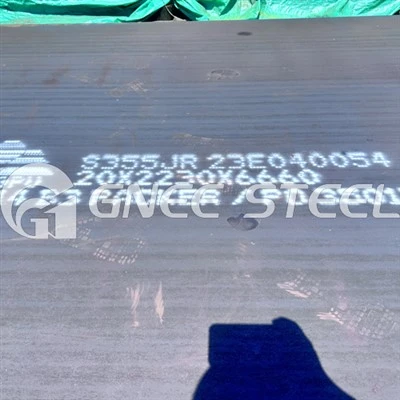
If you’re an engineer, project manager, or railway operator looking for materials that balance strength, durability, cost-effectiveness, and compliance with industry standards, I’m here to help. Whether you’re working on a small heritage railway refurbishment or a major high-speed rail project, our team can provide the right ASTM or ASME HSLA steel plates, along with technical support to make sure your project runs smoothly. We understand the unique demands of the railway industry, and we’re committed to supplying materials that keep trains running safely and efficiently for years to come. Reach out to our team to discuss your project needs, get a custom quote, or ask any questions about HSLA steel plate applications in railways.
ASTM/ASME HSLA Steel Plate References
- ASTM International. (2023). Standard Specification for High-Strength Low-Alloy Columbium-Vanadium Structural Steel (ASTM A572/A572M-23).
- American Society of Mechanical Engineers. (2022). ASME Boiler and Pressure Vessel Code, Section II: Material Specifications, Part D: Properties (ASME SA-572).
- Federal Railroad Administration (FRA). (2021). Track and Structure Maintenance Standards for Railway Infrastructure.
- International Union of Railways (UIC). (2022). HSLA Steel Applications in High-Speed Rail Infrastructure Report.
- Railway Supply Association (RSA). (2023). Life Cycle Cost Analysis of HSLA vs. Carbon Steel for Railway Structural Components.
Gnee Steel (Tianjin) Co., Ltd.
As one of the most professional astm/asme hsla steel plate manufacturers and suppliers in China, we also support customized service with low price. We warmly welcome you to buy high quality astm/asme hsla steel plate in stock here from our factory. If you have any enquiry about free sample, please feel free to email us.
Address: No.4-1114, Beichen Building, Beicang Town, Beichen District, Tianjin, China
E-mail: alloy@gneesteelgroup.com
WebSite: https://www.chinavesselplates.com/
