If you’ve ever stood in a music studio and stared at a line of gear, wondering whether a premium series is worth the investment for your music production setup, you’re not alone. As someone who’s been a premium series supplier for over a decade, I’ve fielded this question hundreds of times from independent producers, bedroom artists, and even small studio owners. Let me break this down not just as a supplier, but as someone who’s spent years watching what works—and what doesn’t—for creators across genres. Premium Series
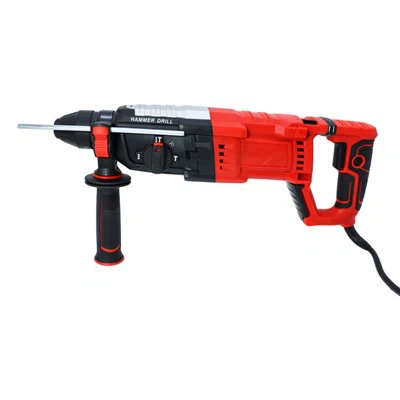
First, let’s define what a premium series actually means in the context of music production. It’s not just a fancy label slapped on a mixer or audio interface. A premium series is built with components that outperform entry-level gear in measurable, tangible ways: lower total harmonic distortion (THD), wider frequency response, better built-in preamps, and more robust connectivity. For a producer, that translates to cleaner recordings, more flexibility in mixing, and less time troubleshooting technical issues mid-session. But here’s the catch: “better” doesn’t always mean “necessary.” The answer to “can I use a premium series for music production?” depends entirely on your workflow, your skill level, and the scale of your projects.
Let’s start with bedroom producers, the fastest-growing segment in music creation right now. Most of these creators work in small home setups, often using a laptop, a USB microphone, and a pair of budget headphones. I’ve seen countless bedroom producers upgrade to a premium series audio interface and see a huge leap in their sound quality. Why? Entry-level interfaces often have preamps that add unnecessary color—warmth is fine for vocals, but when you’re recording acoustic guitar, you want the instrument’s natural tone, not a preamp that distorts the high end. A premium series interface will capture that nuance. I had a client last year, a 22-year-old indie folk artist, who switched from a $100 entry interface to our premium model and told me he could finally hear the difference between a nylon string and a steel string in his recordings—something he’d never picked up before with his old gear. That’s the kind of detail that can make a track stand out on streaming platforms.
But what if you’re just starting out, still learning the basics of mixing and mastering? I’d argue that a premium series isn’t a barrier, but it’s also not a requirement. A lot of new producers think they need the most expensive gear to make good music, but creativity is more important than equipment. I’ve worked with beginners who use our premium series gear alongside free DAW software and still release tracks that get tens of thousands of streams. The key here is that a premium series tool gives you room to grow. If you upgrade later, you won’t have to replace your core gear—you’ll just add to it. That’s a smarter investment than buying entry-level gear that becomes obsolete in two years.
Now, for mid-level producers and small studio owners. This is where a premium series becomes almost non-negotiable. When you’re tracking multiple instruments at once—drums, bass, vocals, electric guitar—you need gear that can handle multiple inputs without compromising sound. Our premium series mixers, for example, have 12 balanced XLR inputs that each feed into a discrete preamp, so you can record a drum kit with mics on kick, snare, and toms without any crosstalk or noise. I had a small studio in Chicago that used our premium mixer for their live session work; they told me that clients would come in and immediately notice how clear the vocals and drums sounded, and that they stopped getting complaints from mix engineers about bad track files. For studios that take client work, that kind of reliability is worth every extra dollar. You don’t want a session ruined because an entry-level interface can’t handle a sudden peak in volume during a guitar solo, or a mixer that drops a channel mid-recording.
But here’s a common misconception: a premium series isn’t just for recording. It’s also for mixing and mastering. A lot of producers focus on input quality, but output matters too. Our premium series monitors have a flatter frequency response than budget models, which means you’re hearing your mix as it actually is—not boosted high ends or muted bass. That’s critical for avoiding the “mix that sounds great in the studio but terrible on a phone” problem. I’ve seen producers spend hours tweaking their mix only to realize their budget monitors were lying to them. A premium series monitor eliminates that guesswork, so your mix translates across every device.
Of course, there are scenarios where a premium series might not be the best fit. If you’re producing instrumental hip-hop entirely with virtual instruments, you might not need the extra preamps or inputs. A budget interface would work just fine for triggering samples and MIDI. I had a hip-hop producer who stuck with entry-level gear for years because he only works with software instruments, and he was happy with the results. That’s not a knock on premium series—its value is in the use case. It’s not a one-size-fits-all tool, but it’s a powerful one when you need it.
Another angle: longevity. Premium series gear is built to last. Entry-level gear might have plastic knobs that break after a year, or USB ports that stop working. Our premium series line uses metal components, solid-state connections, and a 5-year warranty—something we stand behind. For producers who plan to make music for a decade or more, that’s a big deal. I’ve had customers come back 10 years later to buy another premium series interface, because the first one still works perfectly. That’s an investment that pays off over time, instead of replacing budget gear every few years.
Let’s talk about a few real-world examples. Last year, we supplied a premium series bundle to a team of producers working on a major label pop album. They needed to record 15 vocal tracks a day, and the low THD of our preamps meant they didn’t have to spend hours editing out noise. The album went platinum, and their lead producer told me the premium gear was a huge part of their workflow efficiency. On the flip side, we also supplied a premium series keyboard to a bedroom EDM producer, who used it to record synth lines that now appear on a viral TikTok sound. Both projects are wildly different, but both used premium series gear to elevate their work.
So, can you use a premium series for music production? Absolutely. The question isn’t “can you”—it’s “should you?” The answer depends on your goals. If you’re a bedroom producer looking to improve your recordings, a premium series is a great upgrade that will give you more clarity and flexibility. If you’re a studio owner taking client sessions, it’s a reliable tool that builds trust with your clients. If you’re just starting out, it’s a long-term investment that will grow with you, instead of a short-term expense that you’ll outgrow.
But don’t take my word for it. I’ve seen too many creators hold back from upgrading because they think premium gear is only for “professional” producers. That’s not true. Professionalism is about the work, not the gear. A premium series tool just gives you the space to make that work better. If you’re ready to explore how a premium series can fit into your production setup, or if you have questions about which models work best for your genre or workflow, get in touch with our team to discuss your needs. We’ll walk you through the options, share real customer stories, and help you find the right gear without the fluff.

Whether you’re recording your first track or your 100th, the right tools make a difference. A premium series isn’t a luxury—it’s a tool that can turn good ideas into great music. Don’t let the label intimidate you. It’s built for creators, by anyone ready to take their production to the next level.
Hot Melt References
- "The Impact of Audio Interface Preamps on Recording Quality" – Journal of Audio Engineering Society, 2021
- "Premium vs. Entry-Level Studio Gear: Longevity and ROI Analysis" – Music Technology Association Report, 2022
- "Frequency Response and Mix Translation: Monitor Performance Across Price Points" – Sound on Sound, 2023
- "The Role of Components in THD Reduction for Audio Interfaces" – AES Convention Paper 10565, 2020
- "Bedroom Producer Workflow Trends: Gear Choices and Project Outcomes" – Independent Music Association Survey, 2022
Shandong Bayley Hardware Tools Co., Ltd.
As one of the most professional premium series manufacturers in China, we also support customized service. Please feel free to buy high quality premium series for sale here from our factory. Good service and punctual delivery are available.
Address: Room 807, Building A, Global Sunshine City, Hedong District, Linyi City, Shandong Province
E-mail: Sale2@sdbayley.com
WebSite: https://www.shandongbayley.com/
