What are the application methods of Polyhexamethylene Guanidine in swimming pool disinfection?
As a dedicated supplier of Polyhexamethylene Guanidine (PHMG), I’ve witnessed firsthand the transformative impact this remarkable compound can have on swimming pool disinfection. In this blog, I’ll delve into the application methods of PHMG in swimming pool disinfection, sharing insights based on my experiences and the latest scientific knowledge. Polyhexamethylene Guanidine
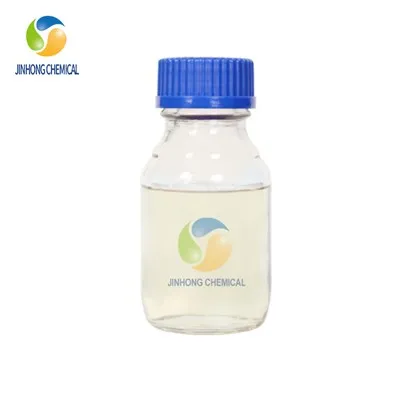
Understanding Polyhexamethylene Guanidine
Polyhexamethylene Guanidine is a broad – spectrum antimicrobial agent with high efficiency, low toxicity, and long – lasting effectiveness. It works by disrupting the cell membranes of microorganisms, leading to their death. This makes it an ideal choice for swimming pool disinfection, as it can effectively combat a wide range of pathogens, including bacteria, viruses, and fungi.
Advantages of Using PHMG in Swimming Pools
Before we explore the application methods, it’s important to understand why PHMG is a superior option for swimming pool disinfection.
- Safety: Unlike some traditional disinfectants such as chlorine, which can cause skin and eye irritation, PHMG is relatively non – toxic to humans. It has a mild smell and does not produce harmful by – products like chloramines, which are associated with the characteristic "pool smell" and can cause respiratory problems.
- Long – lasting Effect: PHMG has a strong binding ability to the surface of pool equipment and the pool walls. Once applied, it can form a long – lasting protective film that continuously inhibits the growth of microorganisms, reducing the frequency of disinfection.
- Environmental Friendliness: It is biodegradable, which means it has a minimal impact on the environment. This is especially important for those who are environmentally conscious.
Application Methods
Pre – treatment of the Swimming Pool
Before applying PHMG to the swimming pool, proper pre – treatment is essential. First, clean the pool thoroughly to remove any debris, dirt, and organic matter. This can be done by using a pool skimmer to remove floating debris and a pool vacuum to clean the bottom of the pool.
Next, test the water quality parameters, including pH, alkalinity, and water hardness. The ideal pH range for a swimming pool using PHMG is between 7.2 and 7.8. If the pH is too high or too low, it can affect the effectiveness of PHMG. Adjust the pH using appropriate chemicals, such as sodium carbonate to raise the pH or muriatic acid to lower it.
Dosage Calculation
The dosage of PHMG depends on several factors, including the volume of the pool, the initial microbial load, and the frequency of pool use. As a general guideline, for a new pool or a pool with a high microbial load, an initial dosage of 5 – 10 ppm (parts per million) of PHMG is recommended. For a well – maintained pool with a normal microbial load, a dosage of 2 – 5 ppm is usually sufficient.
To calculate the amount of PHMG needed, use the following formula:
Amount of PHMG (in grams) = Pool volume (in liters) × Desired concentration (in ppm) ÷ 1000
For example, if you have a swimming pool with a volume of 50,000 liters and you want to achieve a concentration of 3 ppm of PHMG, the amount of PHMG needed is:
50,000 × 3 ÷ 1000 = 150 grams
Dissolving and Adding PHMG
PHMG is usually supplied in a concentrated liquid form. Before adding it to the pool, it needs to be properly diluted. Fill a clean container with a small amount of pool water, and then slowly add the required amount of PHMG while stirring continuously. Make sure the PHMG is completely dissolved in the water.
To ensure even distribution of PHMG in the pool, add the diluted solution evenly around the perimeter of the pool. Turn on the pool’s circulation system immediately after adding the PHMG to help it mix thoroughly with the pool water. The circulation system should run for at least 2 – 4 hours to ensure proper dispersion of the disinfectant.
Continuous Monitoring and Maintenance
Regular monitoring of the pool water is crucial to ensure the effectiveness of PHMG. Test the water quality at least twice a week, including the concentration of PHMG, pH, alkalinity, and microbial levels.
If the concentration of PHMG drops below the recommended level, add an appropriate amount of PHMG to maintain the desired concentration. Also, adjust the pH and alkalinity as needed to keep the water in the optimal range for disinfection.
During periods of heavy pool use or after heavy rain, the microbial load in the pool may increase. In such cases, it may be necessary to increase the dosage of PHMG or perform additional disinfection treatments.
Case Studies
I’d like to share a few case studies of swimming pools that have successfully used PHMG for disinfection.
- A Community Swimming Pool: A community swimming pool in a suburban area was facing problems with high levels of bacteria and algae growth. The pool was using chlorine as a disinfectant, but it was causing skin and eye irritation among the swimmers. After switching to PHMG, the water quality improved significantly. The bacteria and algae levels dropped to acceptable levels, and the swimmers reported less irritation. The pool management also found that they could reduce the frequency of disinfection treatments, resulting in cost savings.
- A Hotel Swimming Pool: A luxury hotel with a large swimming pool was looking for an environmentally friendly disinfectant. They chose PHMG and were impressed with its performance. The pool water had a clear and fresh appearance, and the guests appreciated the lack of the strong chlorine smell. The hotel also received positive feedback from its guests regarding the comfort of swimming in the pool.
Conclusion
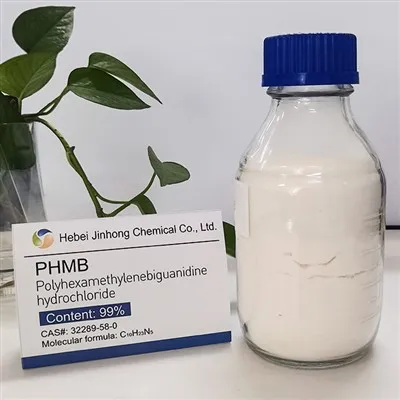
Polyhexamethylene Guanidine is a highly effective and safe option for swimming pool disinfection. By following the proper application methods, including pre – treatment, accurate dosage calculation, proper dissolution and addition, and continuous monitoring and maintenance, you can ensure that your swimming pool has clean, clear, and safe water.
Guanidine Biocides If you’re interested in using Polyhexamethylene Guanidine for your swimming pool or have any questions about its application, I’d be more than happy to assist you. Contact me to discuss your specific needs and start a procurement negotiation. I look forward to the opportunity to work with you to provide the best disinfection solution for your swimming pool.
References
- "Antimicrobial Properties of Polyhexamethylene Guanidine" – Journal of Applied Microbiology
- "Swimming Pool Water Quality Management" – International Journal of Aquatic Health
- "Comparative Study of Different Disinfectants in Swimming Pools" – Water Research Journal
Hebei Jinhong Chemical Co., Ltd.
Hebei Jinhong Chemical Co., Ltd. is one of the most professional polyhexamethylene guanidine manufacturers and suppliers in China. With abundant experience, we warmly welcome you to wholesale high quality polyhexamethylene guanidine made in China here and get pricelist from our factory. For price consultation, contact us.
Address: North of Fazhan Road, East of Qingyuan Road, Nanbao Development Zone, Tangshan City, Hebei Province
E-mail: kevin@hbjhchemical.com
WebSite: https://www.hbjhchemical.com/
