Hey there! I’m one of the suppliers of excavator hydraulic components. Today, I wanna chat with you about the storage requirements for these components. It’s super important to store them properly to make sure they work well and last long. Excavator Hydraulic Components

First off, let’s talk about the storage environment. The temperature and humidity are key factors. For most excavator hydraulic components, the ideal storage temperature is between -20°C and 40°C. Outside this range, bad things can happen. If it’s too cold, the hydraulic oil can thicken up. This makes it harder for the components to move smoothly when they’re put back into use. On the other hand, if it’s too hot, the oil can start to break down, losing its lubricating properties. And that’s a recipe for damage to the components.
Humidity is also a big deal. High humidity can cause rust and corrosion on the metal parts of the hydraulic components. Corrosion can eat away at the surfaces, leading to leaks and decreased performance. So, it’s best to keep the humidity level below 60%. If you’re in a place with really high humidity, you might want to use dehumidifiers in the storage area.
As for the location, find a dry, clean, and well – ventilated space. Avoid storing the components in areas where there’s a lot of dust, chemicals, or direct sunlight. Dust can get into the hydraulic systems and cause wear and tear on the moving parts. Chemicals can react with the materials of the components, causing damage. And direct sunlight can heat up the components and cause the rubber seals to degrade faster.
Now, let’s get into how to store different types of excavator hydraulic components.
Hydraulic Cylinders
Hydraulic cylinders are like the muscles of the excavator, making the arms and buckets move. When storing them, you need to be extra careful. First, make sure the cylinders are fully retracted. This helps to protect the rod surface from damage. You should also cover the rod with a protective sleeve or grease it with a high – quality rust – preventive grease.
Store the cylinders horizontally. Storing them vertically can cause the piston to rest unevenly on one side, which can lead to deformation over time. And if you stack them, make sure you use proper spacers between the cylinders to prevent scratching and damage.
Hydraulic Pumps
Hydraulic pumps are responsible for generating the pressure needed to make the hydraulic system work. Before storing a hydraulic pump, you need to drain the hydraulic oil from it. But here’s the thing, you should then refill it with a preservative oil. This preservative oil helps to protect the internal parts from rust and corrosion.
Keep the pump in a sealed container or a plastic bag. This will prevent dust and moisture from getting inside. And make sure to label the container with the type of pump, its model number, and the date of storage.
Hydraulic Valves
Hydraulic valves control the flow of hydraulic fluid in the system. They’re pretty delicate and need proper storage. Wrap the valves in anti – static plastic bags. This prevents static electricity from damaging the sensitive electronic components inside some modern valves.
Store the valves in a clean, dry cabinet. You can also use a desiccant packet in the cabinet to keep the moisture level down. Make sure to group the valves by type and size to make it easier to find what you need later.
Hydraulic Hoses
Hydraulic hoses are the arteries of the hydraulic system, carrying the fluid from one component to another. When storing hoses, keep them coiled loosely. Tightly coiling them can cause kinks, which can weaken the hoses over time.
Hang the coiled hoses on a rack or a pegboard. This keeps them off the ground, away from dirt and potential damage. And if the hoses have fittings, cover them with protective caps. This stops debris from getting inside the hoses.
Another important thing is to check the components regularly. Even when they’re in storage, a lot can happen. Every few months, take a look at the components. Check for signs of rust, corrosion, leaks, or any other damage. If you find any problems, deal with them right away. For rust, you can use a rust – remover and then re – apply a protective coating. If there’s a small leak, try to seal it or replace the damaged part.
It’s also a good idea to have a proper inventory system. Keep track of what components you have in storage, their location, and the date they were stored. This makes it easier to manage your stock and ensures that you use the oldest components first, following the first – in – first – out (FIFO) principle.
Now, I know that all these storage requirements might seem a bit of a hassle. But trust me, it’s worth it. By storing your excavator hydraulic components correctly, you’ll save money in the long run. You’ll avoid having to replace damaged components too soon, and you’ll ensure that your excavators are always in top – notch working condition.
If you’re in the market for high – quality excavator hydraulic components, I’m here to help. Whether you’re a small construction business or a large construction company, we’ve got the right components for you. We offer a wide range of products at competitive prices, and we’re committed to providing excellent customer service.
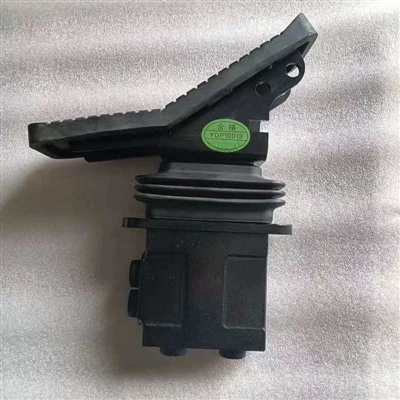
If you’re interested in purchasing our excavator hydraulic components, just reach out. Drop me a message, and we can start discussing your needs and how we can help. Let’s work together to keep your excavators running smoothly!
Hydraulic Motor References:
- "Hydraulic Systems: Design, Installation, and Maintenance"
- "Excavator Repair and Maintenance Handbook"
Yantai Dayun Machinery Parts Co., Ltd.
As one of the most professional excavator hydraulic components suppliers in China, we are committed to providing high quality products with low price. Please feel free to buy discount excavator hydraulic components in stock here from our factory. Contact us for quotation and free sample.
Address: NO91, Zhenzhong Street, Fushan District, Yantai City
E-mail: dayunhyd5123@163.com
WebSite: https://www.dayunexcavator.com/
