If you’re reading this, odds are you’ve got a pair (or ten) of pearl pendants hanging around—maybe you’ve pulled them out for a wedding, a date night, or just because they match your new outfit, and now you’re staring at them wondering, “Wait, how do I keep these looking good for years?” As someone who’s spent years working with pearls (I run a small pearl pendant supply business, so I’ve handled more loose pearls and finished pendants than I can count), I’ve seen way too many customers mess up storage—and it’s not their fault. Pearls are weird, right? They’re not diamonds, which you can toss in a velvet box with a bunch of rings and call it a day. They’re living, organic gems (yes, really—they form inside oysters) that react to their environment way more than any other fine jewelry. Let’s break this down like we’re chatting over coffee, no stuffy jargon, just what actually works. Pearl Pendants
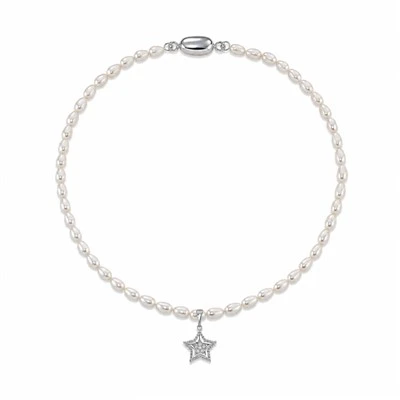
First, let’s get the big myth out of the way: pearls hate being cramped with other jewelry. I’ve had a customer send back a pendant that looked scratched to pieces because she threw it in a jewelry box with her stud earrings and a silver necklace. That’s a rookie mistake. Pearls have a surface called nacre— that iridescent, smooth layer that makes pearls look like they do. Nacre is soft, like a 2.5 to 3 on the Mohs scale, which is softer than copper (copper’s a 3.5) and way softer than a diamond’s 10. So if you rub a pearl against another gem, or even a metal setting, you’ll get tiny, almost invisible scratches that build up over time. One day you’ll look at your pendant and wonder why it’s dull, and it’ll be because you were careless with storage.
So what should you use? Let’s start with the basics: each pendant needs its own little space. If you’re buying from us, every pendant ships in a soft, cotton-lined pouch with a separate slot for the bail—wait, did I mention the bail? Oh, right, the metal part that connects the pearl to the chain. That can also scratch the pearl if it’s bouncing around inside the pouch. A lot of people just stuff the whole pendant into a pouch, but if you want it to last, tuck the bail and chain into a small pocket of the pouch, so only the pearl is exposed, laying flat. No rubbing against metal, no rolling around. If you don’t have those little pouches, you can grab a soft microfiber cloth (the kind you use for sunglasses works) and wrap each pendant individually. Fold it tight, but not so tight that you squeeze the pearl—you don’t want to put pressure on the nacre, that can crack it over time.
Now, where do you put those pouches? A lot of people stick jewelry in the bathroom cabinet, and I get it—it’s convenient. But here’s the thing: bathrooms are humid. Pearls hate humidity. Nacre is made of calcium carbonate, which can break down if it’s exposed to too much moisture for too long. You might not notice it right away, but over months, that humidity will make the pearl look dull, like it’s lost its glow. I once had a regular who kept all her pendants in the bathroom, and after a year, her favorite Akoya pendant had a weird cloudy spot right where she wore it most. Turns out, every time she took a shower, steam seeped into the pouch. So keep your pearls in a cool, dry place—like a bedroom drawer, a closet shelf, somewhere that doesn’t get damp. If you live in a super humid climate (hello, Florida or parts of Asia), maybe throw a tiny silica gel packet in the drawer with the pouches? The kind you get with new shoes or electronics works perfectly, just don’t eat it.
Wait, another big no: don’t store your pearls in an airtight container. I know, that sounds counterintuitive—you want to keep moisture out, right? But pearls need a little air. If you seal them in a plastic bag or an airtight jewelry box, they’ll get trapped with the tiny amount of moisture they naturally give off, and that can also damage the nacre. The soft pouch I mentioned earlier is perfect because it’s breathable, not plastic. Plastic is the enemy here—ever left a pearl in a plastic bag in your car on a hot day? That’s a disaster. Heat makes the nacre dry out and crack. I had a customer who did that on a road trip, and when she pulled her pendant out, there was a little hairline crack right in the middle of the pearl. Total bummer. So skip the plastic, stick to fabric.
What if you’ve got a bunch of pendants, not just one or two? Maybe you’re rotating them for different outfits, or you’re keeping a few for gifts. Don’t just pile all the pouches into a big box. I recommend a jewelry organizer with separate compartments—like the ones with soft, padded slots. That way, each pendant is isolated, no rubbing, no mixing with other pieces. I use a small one for my own collection, and it’s been a game-changer. If you’re buying pendants from us, ask us about our storage organizers—we’ve got a few options that work specifically for our pendants, with slots sized just right for the pearl and bail.
Wait, let’s talk about something people overlook: the chain. A lot of pendant storage focuses on the pearl, but the chain matters too. If you’re hanging your pendants (some people do that on a jewelry tree), make sure the chain isn’t twisted, and the bail isn’t pulling too hard on the pearl. Twisted chains can kink, and if you yank them to untwist, you might pull the pearl off the bail, or stress the nacre. If you’re hanging them, use hooks that are wide enough for the bail, so it doesn’t bend. Also, don’t hang pearls near heat sources—like a space heater, a radiator, or even a window that gets direct sunlight all day. Sunlight is another culprit for drying out pearls; UV rays can fade the nacre over time, especially for colored pearls like pink or lavender ones. I once had a customer who left her South Sea pendant on a window sill for a month, and the color went from soft lavender to pale white. Oops.
Now, what about if you’re storing pearls long-term—like, say, you’ve got a special pendant you only wear once a year, or you’re stocking up for a sale (if you’re a fellow pendant lover, you get it). Don’t just leave it in the pouch in the drawer for years. Every few months, pull it out, gently wipe it with a damp, soft cloth (more on that in a sec), and let it air out for an hour or so. That gets rid of any built-up oils from your skin or just the tiny bits of moisture that accumulate in the pouch. If you don’t do that, those oils can attract dust, and the dust can scratch the pearl when you go to take it out later.
Wait, let’s add a quick note about cleaning, since storage and cleaning go hand in hand. I know this isn’t exactly storage, but it’s important. Before you put your pendant away, wipe the pearl with a slightly damp (like, barely damp) microfiber cloth. Don’t use soap, don’t use jewelry cleaner, don’t use polishing cloths made for other metals. Soap can get trapped in the tiny gaps in the nacre and damage it over time. Jewelry cleaners are way too harsh for soft pearls—they’ll strip the nacre. I’ve seen that happen too; a customer used silver jewelry cleaner on her pearl pendant, and the gloss was gone within a month. So just a little water, a soft cloth, and you’re good. Dry it off completely before putting it back in the pouch, so no moisture gets trapped.
Let me wrap this up with a few quick do’s and don’ts to make it easy: Do use individual soft fabric pouches, keep them in a cool dry drawer, give pearls air every few months, wipe with a damp cloth before storing. Don’t cram with other jewelry, keep in the bathroom, use plastic bags, leave in direct sun or heat, use harsh cleaners.

At the end of the day, pearls are a pretty big investment—whether you’re buying one for yourself, or stocking up for your business (if you’re reading this as a retailer, I see you). The right storage doesn’t have to be complicated, but it makes all the difference between a pendant that looks brand new for 10 years, and one that’s dull and scratched in a year. If you’re looking for high-quality pearl pendants that are easy to care for, or you want to chat about the best storage solutions for your collection, don’t hesitate to reach out. We’re here to help you keep your pearls looking amazing, just like the day you got them.
South Sea Pearl Necklace References:
- Gemological Institute of America. (2022). Pearls: Care and Storage Guidelines. Gemological Institute of America.
- American Gem Society. (2021). How to Properly Store Fine Jewelry. American Gem Society.
- International Gem Society. (2023). Nacre Properties and Care for Pearls. International Gem Society.
Aqvune Pearls Co., Ltd.
Aqvune Pearls Co., Ltd. is one of the most experienced pearl pendants manufacturers and suppliers in China, featured by quality products and low price. Please rest assured to buy class pearl pendants made in China here and get pricelist from our factory. We also accept customized orders.
Address: 1903-6, Union Building, Lingzhi Street, Yuecheng District, Shaoxing City, Zhejiang Province, China
E-mail: sales@aqvunepearls.com
WebSite: https://www.aqvune-pearls.com/
