In the realm of materials science and engineering, the question of whether functional fillers increase the viscosity of materials is a topic of significant interest. As a supplier of functional fillers, I have witnessed firsthand the diverse impacts these additives can have on the viscosity of various materials, which in turn affects their processing and performance. Functional Fillers
Understanding Functional Fillers
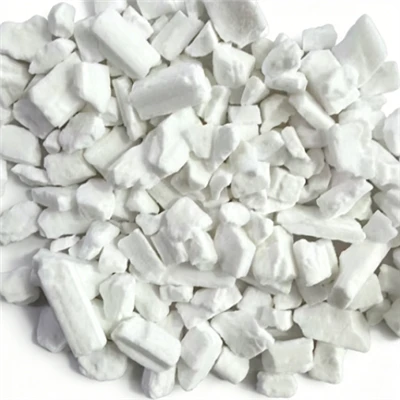
Functional fillers are substances added to a base material to enhance its properties or introduce new functionalities. These fillers can be made from a wide range of materials, including minerals, polymers, metals, and ceramics. They come in various shapes, sizes, and surface chemistries, each of which can influence how they interact with the base material and other additives.
Common types of functional fillers include calcium carbonate, silica, talc, carbon black, and glass fibers. Calcium carbonate is widely used in plastics, rubber, and paints due to its low cost, high availability, and ability to improve mechanical properties. Silica is often used in rubber and composite materials to enhance reinforcement and improve abrasion resistance. Talc is known for its lubricating properties and is used to reduce friction and improve the flow of plastics. Carbon black is a key filler in the rubber industry, providing reinforcement and improving electrical conductivity. Glass fibers are used in composite materials to enhance strength and stiffness.
The Relationship Between Functional Fillers and Viscosity
The addition of functional fillers to a material can have a significant impact on its viscosity. Viscosity is a measure of a fluid’s resistance to flow, and it plays a crucial role in the processing and performance of materials. In general, the addition of functional fillers tends to increase the viscosity of a material, but the extent of this increase depends on several factors.
Filler Concentration
One of the most important factors influencing the viscosity of a filled material is the filler concentration. As the concentration of functional fillers increases, the viscosity of the material typically increases as well. This is because the fillers occupy space within the base material, reducing the free volume available for the flow of the polymer chains or other fluid components. At low filler concentrations, the increase in viscosity may be relatively small, but as the concentration approaches the maximum packing fraction, the viscosity can increase dramatically.
For example, in a polymer matrix composite, the addition of a small amount of glass fibers may initially have a modest effect on viscosity. However, as the fiber content increases, the fibers begin to interact with each other, forming a network that restricts the flow of the polymer. This can lead to a significant increase in viscosity, making the material more difficult to process.
Filler Size and Shape
The size and shape of the functional fillers also play a crucial role in determining the viscosity of the filled material. Smaller fillers generally have a larger surface area per unit volume, which can lead to stronger interactions with the base material and a greater increase in viscosity. Additionally, fillers with irregular shapes or high aspect ratios (such as fibers or platelets) can have a more pronounced effect on viscosity compared to spherical fillers.
For instance, carbon nanotubes, which have a high aspect ratio, can significantly increase the viscosity of a polymer matrix even at low concentrations. The long, thin shape of the nanotubes allows them to form a network within the polymer, impeding its flow and increasing viscosity. On the other hand, spherical silica particles may have a less significant impact on viscosity due to their relatively low aspect ratio and more uniform shape.
Surface Chemistry
The surface chemistry of the functional fillers can also influence their interaction with the base material and, consequently, the viscosity of the filled material. Fillers with a high surface energy or reactive groups can form stronger bonds with the polymer chains, leading to an increase in viscosity. Conversely, fillers with a low surface energy or non – reactive surface may have a weaker interaction with the base material, resulting in a smaller increase in viscosity.
Surface treatments can be used to modify the surface chemistry of the fillers and control their interaction with the base material. For example, silane coupling agents are commonly used to treat the surface of silica fillers in polymer composites. These agents can improve the adhesion between the silica and the polymer, which can affect the viscosity and other properties of the composite.
Impact on Material Processing
The increase in viscosity caused by functional fillers can have both positive and negative impacts on material processing. On one hand, a higher viscosity can be beneficial in some applications. For example, in the production of adhesives and coatings, a higher viscosity can help to prevent sagging and improve the application properties. In the case of composite materials, a higher viscosity can help to keep the fibers or other fillers in place during the molding process, ensuring a more uniform distribution and better mechanical properties.
On the other hand, a significant increase in viscosity can also pose challenges in processing. Higher viscosity materials require more energy to flow, which can increase the processing temperature and pressure. This can lead to longer processing times, higher production costs, and potential degradation of the material. In injection molding, for example, a highly viscous material may not flow easily into the mold cavity, resulting in incomplete filling or surface defects.
Strategies to Control Viscosity
As a supplier of functional fillers, we understand the importance of providing solutions that allow our customers to control the viscosity of their materials. There are several strategies that can be employed to manage the viscosity of filled materials.
Filler Selection
Choosing the right type, size, and shape of functional fillers is crucial for controlling viscosity. By selecting fillers with appropriate characteristics, it is possible to achieve the desired balance between property enhancement and viscosity control. For example, if a low – viscosity material is required, spherical fillers with a small particle size may be preferred over high – aspect – ratio fillers.
Surface Modification
Surface modification of the functional fillers can be an effective way to reduce the viscosity of filled materials. As mentioned earlier, surface treatments such as silane coupling agents can improve the compatibility between the fillers and the base material, reducing the interaction between the fillers and minimizing the increase in viscosity.
Additives
The use of additives can also help to control the viscosity of filled materials. Plasticizers, for example, can be added to polymers to increase their flexibility and reduce viscosity. Lubricants can be used to reduce friction between the fillers and the base material, improving the flow properties of the material.
Conclusion
In conclusion, functional fillers generally increase the viscosity of materials, but the extent of this increase depends on several factors, including filler concentration, size, shape, and surface chemistry. While the increase in viscosity can have both positive and negative impacts on material processing and performance, there are strategies available to control viscosity and optimize the properties of filled materials.

As a supplier of functional fillers, we are committed to providing our customers with high – quality products and technical support to help them achieve the best results in their applications. Whether you are looking to enhance the mechanical properties of a polymer, improve the conductivity of a composite, or control the flow of an adhesive, our team of experts can work with you to select the right functional fillers and develop customized solutions.
Silica If you are interested in learning more about our functional filler products or discussing your specific requirements, please do not hesitate to contact us for a procurement discussion. We look forward to the opportunity to collaborate with you and help you achieve your material performance goals.
References
- A. I. Isayev, "Rheology of Polymer – Matrix Composites," Marcel Dekker, Inc., 2004.
- M. P. Stevens, "Polymer Chemistry: An Introduction," Oxford University Press, 1999.
- L. A. Utracki, "Polymer Alloys and Blends: Thermodynamics and Rheology," Hanser Publishers, 1990.
Heze Great Bridge Chemical Co., Ltd.
With abundant experience, we are one of the most professional functional fillers manufacturers and suppliers in China. We warmly welcome you to buy high quality functional fillers in stock here and get pricelist from our factory. Good service and reasonable price are available.
Address: No.1679 Renmin Road,Heze City,Shandong,China
E-mail: export@greatbridge-chem.com
WebSite: https://www.greatbridgechem.com/
