Hey there! As a thermocouples supplier, I often get asked about the maximum temperature that thermocouples can measure. It’s a super important question, especially for industries that rely on high – temperature measurements. So, let’s dive right into it. Thermocouples

First off, what exactly is a thermocouple? In simple terms, a thermocouple is a type of temperature sensor. It consists of two different metal wires joined together at one end. When there’s a temperature difference between the joined end (the measuring junction) and the other end (the reference junction), it generates a small voltage. This voltage can then be measured and converted into a temperature reading.
Now, onto the main topic – the maximum temperature. The maximum temperature a thermocouple can measure depends on a few key factors, mainly the type of thermocouple and the materials used in it.
Let’s talk about the common types of thermocouples. There are several well – known ones like Type K, Type J, Type T, Type E, Type R, Type S, and Type B.
Type K Thermocouples
Type K is probably one of the most widely used thermocouples out there. It’s made of chromel (an alloy of nickel and chromium) and alumel (an alloy of nickel, manganese, aluminum, and silicon). These thermocouples can typically measure temperatures up to around 1260°C (2300°F). They’re great for general – purpose applications because they’re relatively inexpensive and have a good temperature range. But if you’re dealing with really high – temperature environments, they might not be the best choice.
Type J Thermocouples
Type J thermocouples are made of iron and constantan (an alloy of copper and nickel). They’re good for lower – to medium – temperature applications. The maximum temperature they can measure is around 760°C (1400°F). They’re commonly used in things like food processing and some industrial heating applications where the temperatures don’t get extremely high.
Type T Thermocouples
Type T thermocouples use copper and constantan. They’re mainly used for low – temperature measurements. They can measure temperatures from about – 200°C to around 350°C (- 328°F to 662°F). So, if you’re working in a cold storage facility or doing some low – temperature research, these could be your go – to thermocouples.
Type E Thermocouples
Made of chromel and constantan, Type E thermocouples have a slightly higher maximum temperature than Type K in some cases. They can measure up to about 900°C (1650°F). They’re known for having a high output voltage, which can make them easier to work with in measurement systems.
Type R and Type S Thermocouples
These are made of platinum – rhodium alloys. Type R has 13% rhodium in the positive leg, and Type S has 10% rhodium. They’re often used in high – temperature and high – precision applications, like in the glass industry or in some laboratory settings. They can measure temperatures up to around 1768°C (3214°F). They’re quite expensive, but their accuracy and ability to withstand high temperatures make them worth the cost in certain applications.
Type B Thermocouples
Type B thermocouples are also made of platinum – rhodium alloys. They have even higher rhodium content compared to Type R and S. These thermocouples are designed for extremely high – temperature applications. They can measure temperatures up to around 1820°C (3308°F), which is pretty amazing. They’re commonly used in things like steel production and high – temperature furnaces.
But here’s the thing, the maximum temperature ratings are just theoretical values. In real – world applications, there are other factors that can affect how well a thermocouple works at high temperatures.
Oxidation and Contamination
At high temperatures, the metal wires in the thermocouple can start to oxidize. This oxidation can change the electrical properties of the wires, which in turn can affect the accuracy of the temperature measurement. Contamination can also be a big problem. If there are impurities in the environment, like certain chemicals or other metals, they can react with the thermocouple wires and cause issues.
Thermal Aging
Over time, the repeated exposure to high temperatures can cause the materials in the thermocouple to age. This can lead to changes in the Seebeck coefficient (the ratio of the thermoelectric voltage to the temperature difference), which means the thermocouple might not give accurate readings anymore.
Mechanical Stress
High – temperature environments can also cause mechanical stress on the thermocouple. The wires can expand and contract as the temperature changes, and if there’s not enough flexibility or proper support, this can lead to breakage or damage to the thermocouple.
So, when you’re choosing a thermocouple for your high – temperature application, you need to think about more than just the maximum temperature rating. You also need to consider the environment it’ll be used in, how long it needs to last, and how accurate your temperature measurements need to be.
As a thermocouples supplier, I’ve seen all sorts of applications. Whether you’re running a small research lab or a large industrial plant, we’ve got the right thermocouple for you. We offer a wide range of thermocouples, from the common Type K to the high – end Type B. And we don’t just sell the thermocouples; we can also provide you with advice on which one is best for your specific needs.
If you’re in the market for thermocouples and have questions about the maximum temperature they can measure or any other aspect, don’t hesitate to reach out. We’re here to help you make the right choice and ensure that your temperature measurement needs are met accurately and efficiently.
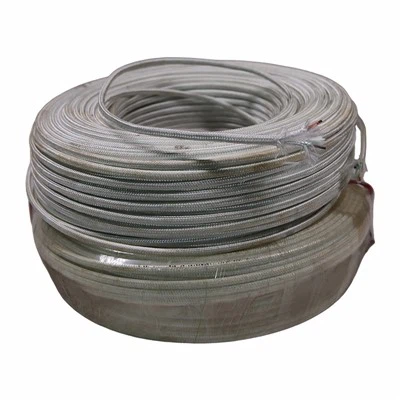
In conclusion, the maximum temperature that thermocouples can measure varies widely depending on the type. From the relatively low – temperature Type T to the extremely high – temperature Type B, there’s a thermocouple out there for every application. Just remember to take into account the real – world factors that can affect their performance at high temperatures. If you’re thinking about a thermocouple purchase, give us a shout, and let’s have a chat about what’ll work best for you.
Digital Temperature Controller References:
- "Temperature Measurement: Theory and Practice" by a group of industry experts.
- Various technical datasheets from thermocouple manufacturers.
Jiangsu Zhaolong Electric Co., Ltd.
We’re well-known as one of the leading thermocouples manufacturers and suppliers in China, featured by quality products and low price. Please feel free to buy customized thermocouples made in China here from our factory. Contact us for more details.
Address: No. 80, Zhangguo Chang’an Road, Dainan Town, Xinghua City, Jiangsu Province
E-mail: 180193845@qq.com
WebSite: https://www.cnzhaolong.com/
