What is the pressure rating of a check valve?
As a seasoned supplier of check valves, I’ve encountered numerous inquiries about the pressure rating of these essential components. The pressure rating of a check valve is a critical specification that dictates its safe and effective operation within a given system. In this blog post, I’ll delve into the intricacies of check valve pressure ratings, exploring what they mean, how they’re determined, and why they matter. Check Valve
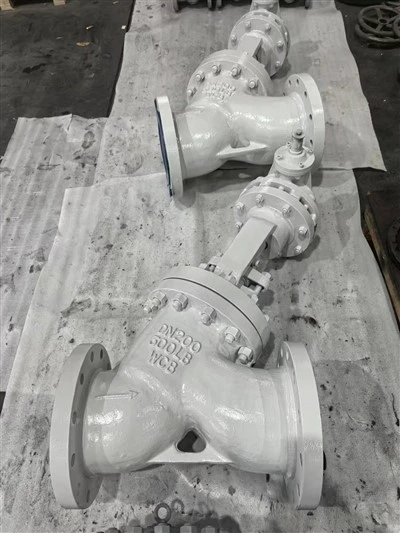
Understanding Pressure Ratings
The pressure rating of a check valve refers to the maximum pressure it can withstand without experiencing structural failure or significant leakage. It is typically expressed in units of pressure, such as pounds per square inch (psi) or bar. This rating serves as a crucial safety parameter, ensuring that the valve can handle the pressures encountered in its intended application.
When selecting a check valve for a specific system, it’s essential to choose one with a pressure rating that exceeds the maximum operating pressure of the system. This provides a safety margin to account for pressure fluctuations, surges, and other unexpected conditions that may occur during normal operation.
Factors Affecting Pressure Ratings
Several factors influence the pressure rating of a check valve. These include:
- Valve Material: The material used to construct the valve body, disc, and seat plays a significant role in determining its pressure – handling capabilities. For example, valves made from high – strength materials like stainless steel or forged steel can generally withstand higher pressures compared to those made from cast iron or plastic.
- Valve Design: The design of the check valve also impacts its pressure rating. Valves with robust designs, such as those with thick walls and reinforced structures, are better able to handle high pressures. Additionally, the type of check valve (e.g., swing check, lift check, or ball check) can affect its performance under pressure.
- Manufacturing Quality: The quality of the manufacturing process can significantly affect the pressure rating of a check valve. Valves that are precision – machined and assembled to strict quality standards are more likely to have accurate and reliable pressure ratings.
- Temperature: Temperature can have a profound effect on the pressure – handling capabilities of a check valve. As temperature increases, the strength of the valve material may decrease, reducing its ability to withstand high pressures. Therefore, it’s important to consider the operating temperature range when selecting a check valve and to ensure that the valve’s pressure rating is suitable for the expected temperature conditions.
Determining the Pressure Rating
Manufacturers use a variety of methods to determine the pressure rating of a check valve. These methods typically involve rigorous testing procedures to simulate real – world operating conditions and ensure that the valve can perform safely and reliably under pressure.
One common testing method is hydrostatic testing, in which the valve is filled with a liquid (usually water) and subjected to a specified pressure for a set period. The valve is then inspected for signs of leakage or deformation. If the valve passes the hydrostatic test, it is assigned a pressure rating based on the test results.
In addition to hydrostatic testing, manufacturers may also use computer – aided engineering (CAE) simulations to analyze the stress and strain on the valve under different pressure conditions. These simulations can help optimize the valve design and ensure that it meets the required pressure rating.
Importance of Pressure Ratings
The pressure rating of a check valve is of utmost importance for several reasons:
- Safety: Using a check valve with an insufficient pressure rating can pose a serious safety risk. If the valve fails under pressure, it can cause leaks, spills, or even explosions, endangering the lives of personnel and damaging equipment and property.
- Performance: A check valve that operates within its pressure rating is more likely to provide reliable and efficient performance. It will open and close properly, preventing backflow and ensuring the smooth flow of fluid through the system.
- Compliance: Many industries have strict regulations and standards regarding the use of check valves and their pressure ratings. By using valves with the appropriate pressure ratings, companies can ensure compliance with these regulations and avoid costly fines and penalties.
Selecting the Right Check Valve Based on Pressure Rating
When selecting a check valve for a particular application, there are several steps you can take to ensure that you choose a valve with the appropriate pressure rating:
- Determine the System Pressure: First, you need to accurately determine the maximum operating pressure of the system in which the check valve will be installed. This includes considering normal operating pressures, as well as any potential pressure surges or fluctuations.
- Consider Safety Margins: As mentioned earlier, it’s advisable to select a check valve with a pressure rating that exceeds the maximum operating pressure of the system. A common practice is to choose a valve with a pressure rating at least 25% to 50% higher than the expected maximum pressure.
- Consult the Manufacturer: If you’re unsure about which check valve to choose, don’t hesitate to consult the manufacturer. They have the expertise and experience to help you select the right valve based on your specific requirements.
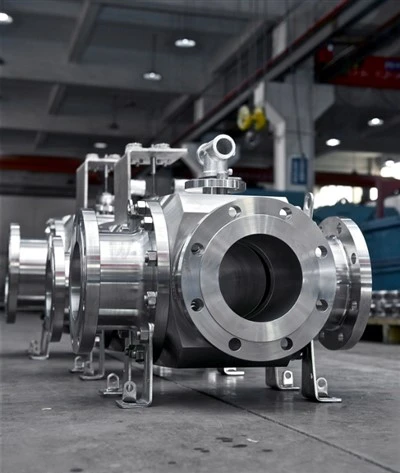
As a check valve supplier, I understand the importance of providing high – quality valves with accurate and reliable pressure ratings. Our team of experts works closely with customers to understand their needs and recommend the most suitable check valves for their applications. Whether you’re looking for a valve for a low – pressure residential system or a high – pressure industrial process, we have the knowledge and resources to help you find the perfect solution.
Ball Valve If you’re in the market for check valves and want to learn more about our products and how they can meet your specific pressure requirements, I encourage you to reach out to us. We’re here to assist you with your valve selection and provide you with the support you need to ensure a successful installation. Contact us today to start the conversation and explore how our check valves can enhance the performance and safety of your system.
References
- ASME Boiler and Pressure Vessel Code, Section VIII, Division 1.
- API Standard 6D – Pipeline Valves.
- ISO 5208 – Industrial Valves – Pressure Testing of Valves.
Zhejiang Poro Valve Manufacturing Co., Ltd.
With abundant experience, we are one of the most professional check valve manufacturers and suppliers in China. We warmly welcome you to buy customized check valve made in China here from our factory. If you have any enquiry about cooperation, please feel free to email us.
Address: PORO Ind. Park, Oubei Dongou Ind. Zone, Wenzhou, Zhejiang, China
E-mail: poro@cnporo.com
WebSite: https://www.cn-poro.com/
