Hey there, if you’re here, you’ve probably heard about Stacker—you know, those modular storage solutions that fix a million messy warehouse, garage, or even small business storage headaches? And since I’m a Stacker supplier, I’ve helped dozens of folks go from “where do I even start?” to actually setting up a system that works for their space. Let’s skip the jargon and break this down like we chat over coffee. No fluff, just actionable steps to get your first Stacker up and running without the overwhelm. Stacker

First off, stop scrolling for a second and ask yourself one tiny question: what are you even storing with these things? Stackers aren’t one-size-fits-all—if you’re stowing 50lb landscaping tools for a small yard business, your setup’s way different than if you’re storing archival office boxes for a 10-person startup. I’ve seen people waste time and money grabbing Stackers that hold way too much (for a closet-sized home office) or way too little (for a shop floor full of pallets). If I’m being real, that’s the most common mistake first-timers make. So, grab a notebook (or your phone notes—no judgment) and jot down a quick list of your top 3 storage items. How heavy are they? How big are they? Do they need to be accessible daily, or are they “set it and forget it” once a month? That 5-minute task saves you hours of headaches later, trust me.
Next up, measure your space like your Stacker depends on it. Spoiler: it does. I can’t tell you how many times someone’s ordered a stack of 8 Stackers, only to realize when they show up that the doorway to their shop’s 6 inches too narrow to fit them through. Or they’ve got a 10ft ceiling, so a 12ft tall Stacker is useless. Here’s the pro tip I tell every customer: measure both the floor space you have (length and width) and the vertical clearance (from floor to ceiling, minus 6 inches for ventilation—Stackers need a tiny gap at the top to keep things safe). Also, check for any obstacles: like ductwork, light fixtures, or even a fire extinguisher that’s bolted to the wall. If you’re setting this up in a shared space? Talk to whoever manages the space about weight limits too—some apartments or office spaces have caps on how much stuff you can stack per square foot. I’ve had a customer who forgot this and had to rearrange his entire setup to avoid tripping the building’s weight sensor. Annoying, right?
Now that you know what you’re storing and where it’s going, it’s time to pick the right type of Stacker. Let’s keep this simple—no confusing models, just the ones that actually matter for most people. First, there’s the basic freestanding Stacker: these are your go-to for garages, home workshops, or small retail backrooms. They’re lightweight, easy to move, and you can stack ’em up to 4 units high without a lot of extra hardware. Then there’s the bolted-down Stacker: if you’re storing heavy stuff (like engine blocks or industrial equipment) or you’re in a high-traffic area, this is the one. Bolted to the floor and to each other, they’re way more stable—no wobbly top tiers when you reach for something on the third level. And if you’re working with super small spaces (like a closet under a staircase or a tiny office nook), there’s the compact Stacker line. We make these with narrower frames, so they fit in spots you thought were impossible. Pro move: if you’re mixing item weights, grab a mix of freestanding and bolted? No, wait—stick to bolted for heavy items at the bottom, freestanding for lighter stuff at the top. That’s the safety rule I never skip when I install a system for a customer.
Once your Stackers show up, the assembly part. A lot of people see the boxes and panic—“do I need a team of engineers for this?” Hell no, most of our Stackers come with clear, step-by-step guides, and if you’ve ever put together a bookshelf, you’ve got this. Quick hack: lay out all the parts on your floor before you start. Don’t just rip open the boxes and start grabbing random pieces—sort the frames, shelves, bolts, and the little locking pins (those are the most important ones, don’t lose ’em) so you don’t spend 20 minutes digging for a pin halfway through. Also, ask for a buddy to help—lifting a single Stacker unit is easy, but when you’re stacking three high, someone to hold the top one steady while you lock it in? Game changer. And here’s a safety thing I hammer into every customer: test each lock before you put weight on it. Give each shelf a little tug—if it moves, you didn’t tighten the locking pin enough. I’ve seen someone skip this and have a box of files crash down onto their foot. Ouch. Don’t be that guy.
Wait, but what if you’re not super handy? No stress—we offer basic setup help for all our customers, and if you’re really stuck, you can reach out to a local handyman who’s done a few of these. It’s not rocket science, so you don’t need a specialized contractor. Just make sure whoever helps you knows to check for that 6-inch ventilation gap at the top—if you stack ’em right up to the ceiling, air can’t circulate, and if you’re storing anything that might get damp, that’s a mold waiting to happen. Another thing: if you’re setting this up outdoors (for a backyard shed or patio storage), grab the weather-resistant coating add-on. Regular Stackers will rust if left out in the rain, so that’s a cheap upgrade that saves you from replacing the whole set in a year.
Now that your Stackers are up, it’s time to actually use ’em efficiently. This is where people waste the most space—don’t just throw stuff on shelves randomly. Label everything, even if it feels silly. Write what’s in each bin or on each shelf with a Sharpie (or we make custom labels you can grab from us) so you don’t have to rummage through 5 tiers to find a single garden hose. Also, leave a little space between items—if you stuff every inch, you can’t pull something out without knocking over a dozen other things. And here’s a trick for frequent-use items: put ’em on the lower two tiers. You don’t need a step ladder to grab your work gloves every morning, right? The stuff you only use once a quarter (like holiday decorations or tax records) can go on the top tiers. That way, your system stays functional, not just full of stuff.
Wait, let’s talk safety, because I can’t wrap this up without mentioning it. Stackers are safe, but only if you follow the rules. Don’t stack more than the recommended height—even if the frame feels sturdy, going 1 or 2 tiers over the max makes it wobbly, especially if you have kids or pets running around. Don’t store heavy items on the top tiers—like I said earlier, heavy stuff goes at the bottom. And never climb on the Stackers yourself to reach something; use a proper step ladder. I’ve seen a customer try to climb a Stacker to change a light bulb and tip the whole thing over. Spent 2 hours cleaning up broken bulbs and lost a few tools. Not worth it.
If you’re still on the fence about which setup is right for you, just hit up our team. We’ll ask you those initial questions (what are you storing, where’s it going) and send over a free, no-pressure recommendation. No sales pitches, no hidden fees—just someone who’s been doing this for years, so they can steer you clear of the mistakes I mentioned earlier. Whether you need a 2-unit small set for a home office or a 10-unit commercial setup for a warehouse, we’ve got options that fit every budget.
So, that’s it—no confusing tech stuff, no jargon, just real steps to get started with Stackers. The biggest thing is not overcomplicating it. Grab that notebook, measure your space, pick the right type, assemble it with a buddy, and set it up so your most-used stuff is easy to reach. If you’re ready to stop dealing with messy storage and turn that wasted space into something useful, feel free to reach out to our team to talk through your needs and get a quote.
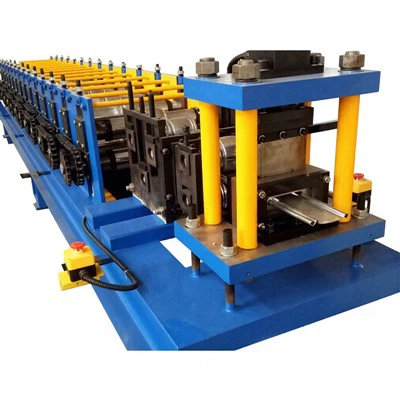
Metal Sheet Roll Cold Rolling Forming Equipment References:
- Industrial Storage Association. “Modular Storage Systems for Small & Medium Spaces.” 2023.
- Home Improvement Safety Institute. “Safe Assembly of Modular Storage Units.” 2022.
- Warehouse Operations Guide. “Space Optimization for Commercial Storage.” 2023.
Wuxi Yuanding Machinery Manufacturing Co., Ltd.
We’re well-known as one of the leading stacker manufacturers and suppliers in China, also support customized service. Please feel free to buy advanced stacker made in China here from our factory. For pricelist, contact us now.
Address: Yaguang Industrial Park, No. 88 Chaoyang South Road, Xishan District, Wuxi City, Jiangsu Province
E-mail: 13861798466@163.com
WebSite: https://www.wxyuanding.com/
